Grounding & Perspective

When Things Fall Apart: Heart Advice for Difficult Times by Pema Chödrön
Drawing from Tibetan Buddhist philosophy, Chödrön encourages readers to lean into the discomfort of crisis, fear, and challenging life transitions, rather than avoiding, escaping, or fixing.
In my work, whether counseling or coaching, we learn the skills to tolerate the discomfort that inevitably accompanies our lives, allowing us to move through and experience what may be on the other side.
"When things fall apart, it is not a sign of failure but rather a profound opportunity for spiritual awakening—being cracked open to reveal our truest and most resilient selves."
Practice & Science
Stanford Medicine researchers found that just five minutes a day of structured breathing exercises can significantly reduce anxiety and improve mood.
"Most of the time breathing is automatic, like digestion, heartbeat and other bodily functions, but you can very easily take over and control your breath, which then affects your overall physiology and stress response." — David Spiegel, MD, Stanford Medicine
Rewiring Stress in Real Time
Quick Reset: A 2-minute tool for acute stress
In this video from Tim Ferriss, neuroscientist Dr. Andrew Huberman explains a fast, real-time tool to combat stress and anxiety: the physiological sigh.
This breathing pattern works instantly while you are actively engaging in everyday life. It is the ultimate real-time tool to use during a crisis or in fast-paced, high-stress situations to bring your nervous system back online.
10-Minute Reset: Pause or Sleep Prep
The Midday Reset: It functions as a circuit breaker for an overactive nervous system, releasing accumulated daytime tension so your clients can return to their day with renewed focus and emotional ease.
The Evening Reset: Because Yoga Nidra induces a deep, parasympathetic "yogic sleep" state, practicing it before bed helps quiet mind chatter, drops the body's core temperature, and smoothly transitions the nervous system into deep, restorative sleep.
Unlocking Motivation
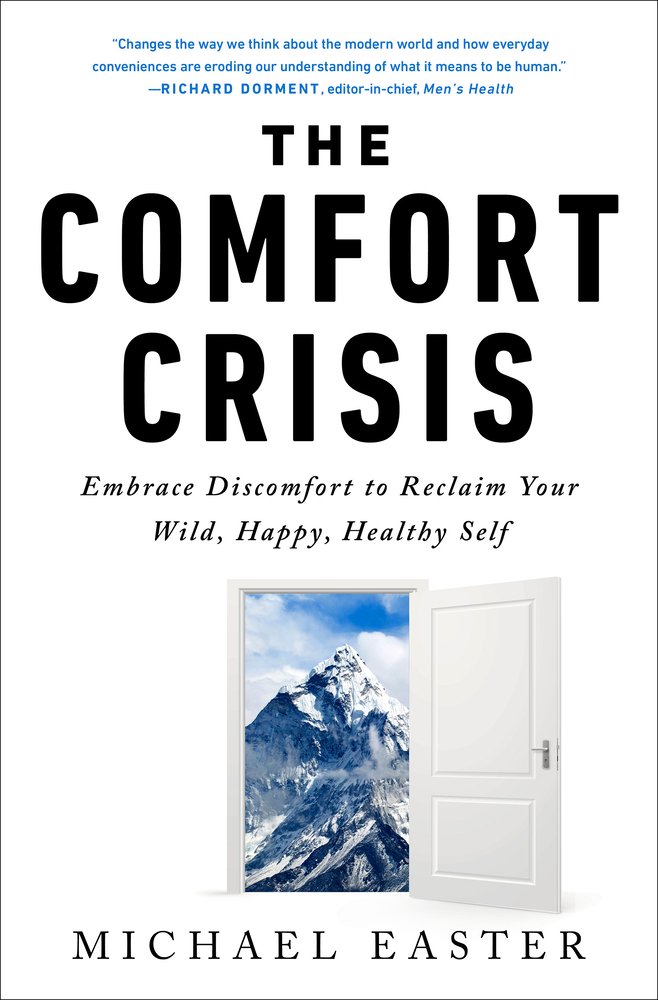
We often think convenience and comfort lead to happiness, but human biology says otherwise. In this episode, UNLV professor and best-selling author Michael Easter joins Andrew Huberman to explore how low-friction, high-comfort habits actually hijack our dopamine levels, leaving us drained and unmotivated.