
COUNSELING
A Space to Slow Down, Understand Yourself, and Create Change
Support for the life you want — with greater clarity, connection, and peace.
👤Individual therapy
👤Adults 21+
🖥️In Person & Virtual
Counseling provides you with a safe, dedicated space to engage in deep self-exploration, speak your truth without judgment, and feel truly heard, respected, and seen—an experience you may have never had before.
While your work involves practical skill-building, challenging old beliefs, and developing emotional regulation, the therapeutic relationship is the true linchpin. You gain a supportive partnership to build trust, step by step. Within this environment, you can explore new ways of thinking and being to practice in daily life, allowing you to view the world with fresh perspective, feel genuinely connected, and hold the quiet hope that change is possible.
The Foundation of Counseling
What You Can Expect
Your path draws on a variety of evidence-based modalities, anchored in a foundation of mindfulness.
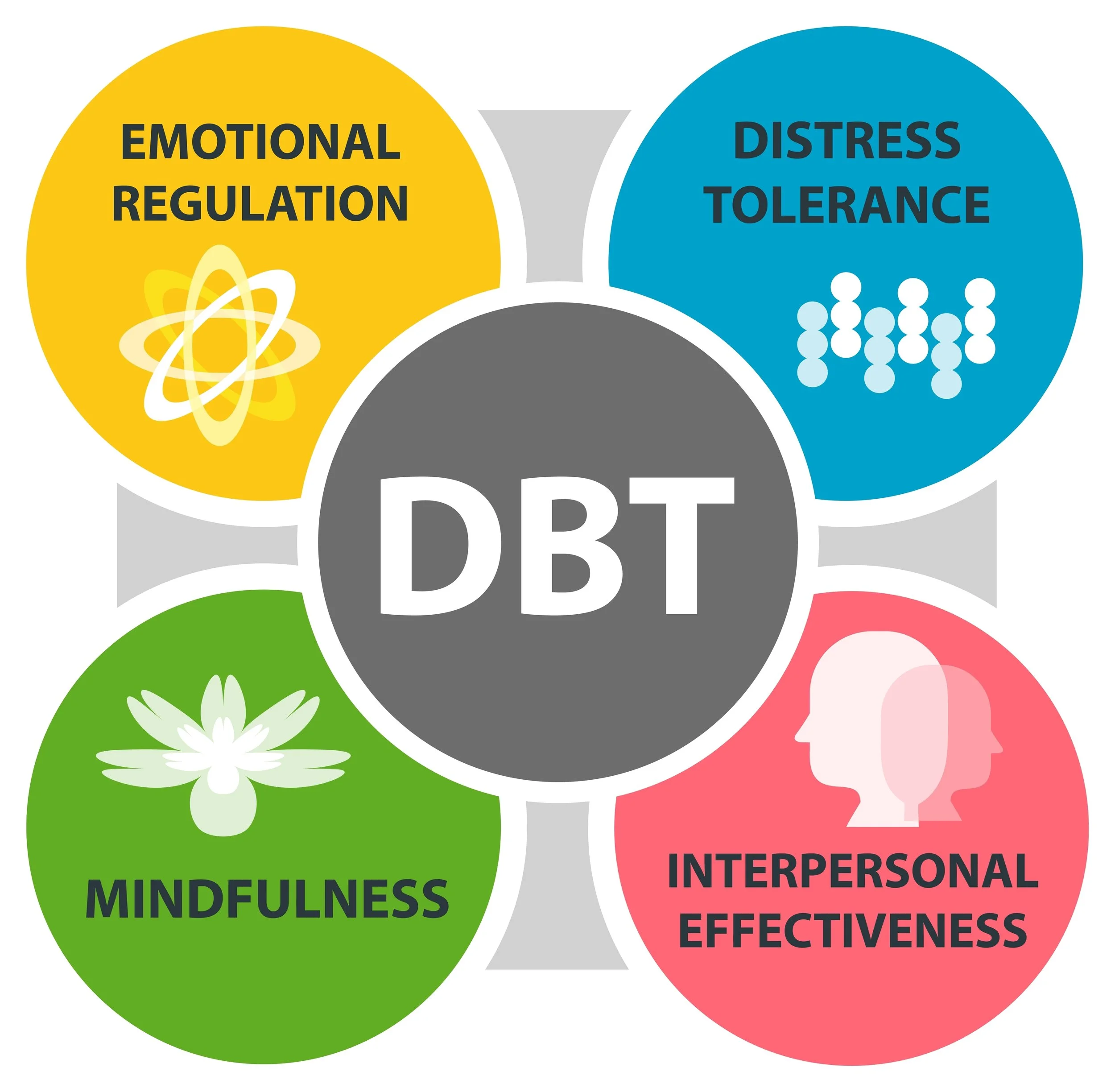
Dialectical Behavior Therapy
Finding balance between self-acceptance and positive change.
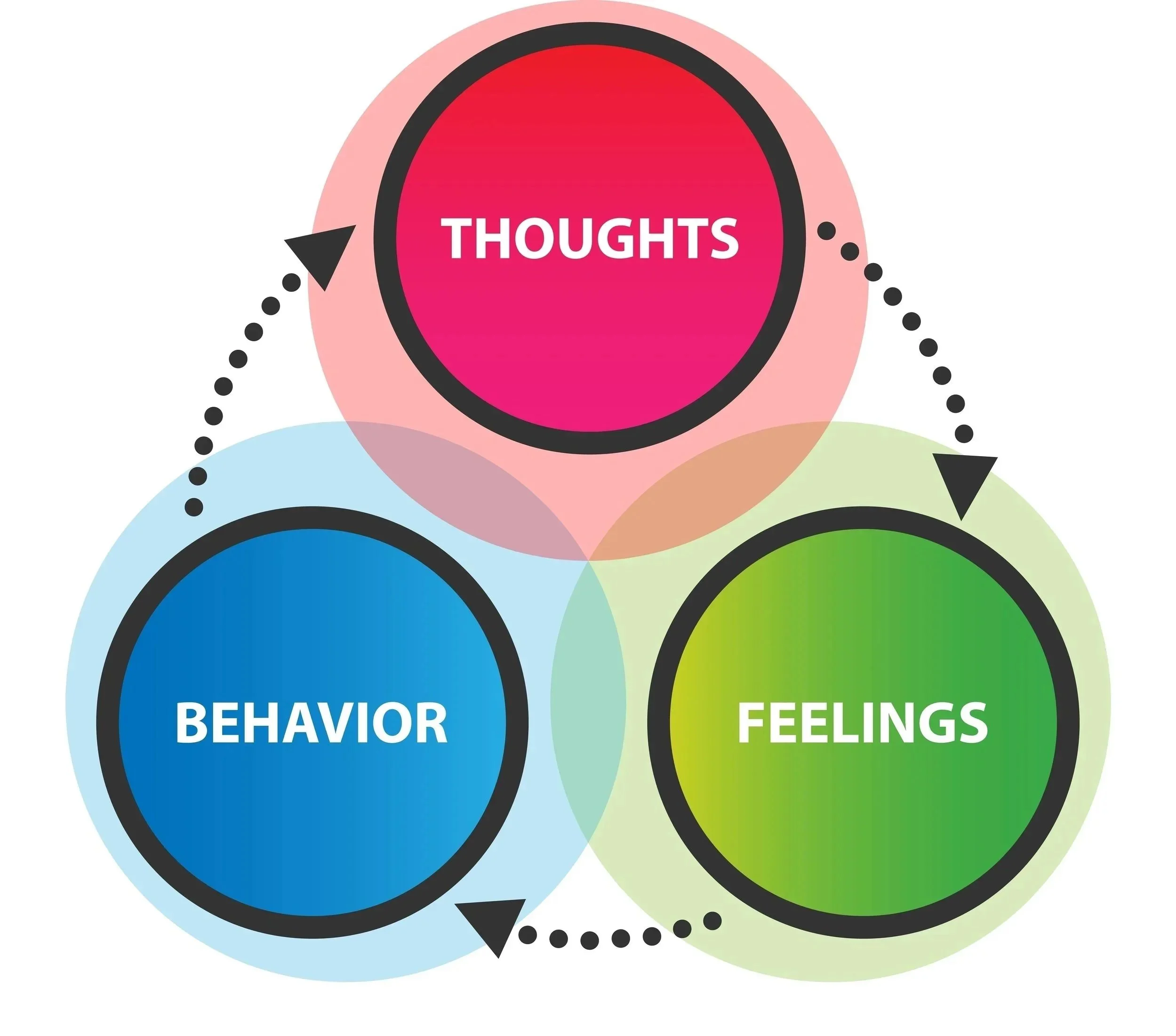
Cognitive Behavior Therapy
Explores how our thoughts, feelings, and actions interact.
Alongside traditional talk therapies, you can incorporate breathwork, meditation, and somatic practices to help settle your mind and regulate your nervous system. By reconnecting with your body's wisdom, you learn to process emotions on both a physical and emotional level, enabling you to feel fully grounded and present in every area of your life.
Is this You?
You’re Self-Aware
· You’ve taken time to self-reflect, explore where you are, and identify where discomfort or friction lies in your life.
You’re Ready for Action
· You want to move beyond just venting and engage in purposeful, growth-oriented work.
You Value Partnership
· You want a skilled, collaborative partnership to support your journey.
You Welcome Growth
· You are open to being respectfully challenged to break free from patterns that no longer serve you.
Areas of Focus
Shift the repetitive patterns and themes that have played out throughout your life
· Emotional Wisdom:
Develop a greater ability to identify and move through emotions, gaining wisdom through expression rather than suppression.
· Interpersonal Effectiveness:
Build the skills you need to approach uncomfortable situations and conflict with confidence and ease.
· Presence & Stress Reduction:
Learn to slow down, integrate effective stress-reduction skills, and experience greater daily satisfaction.
· Mindful Awareness:
Increase your day-to-day awareness so your true priorities stay at the forefront, allowing you to manage life's details more effectively.
· Trauma & Compassionate Healing:
Understand the impact of trauma, learn to hold yourself with compassion, and build healthy relationships with yourself and others.